



Links
Contact
Seminar für Ethnologie
Reichardtstraße 11
06114 Halle
Sprechzeiten:
Mo.-Fr. 9.00 Uhr - 12.00 Uhr
Bianca Bernig
phone: (0345) 55-24191
sekretariat@ethnologie.uni-...
Reichardtstraße 11
06114 Halle
Cornelia Heimann, M.A.
phone: (0345) 55-24201
secretary@ethnologie.uni-ha...
Reichardtstraße 11
06114 Halle
Institute for Social and Cultural Anthropology
Courses
Syllabus winter term 2026/2027
KVV_2026-08-24_edit.pdf
(207.4 KB) vom 11.09.2026

SfE Programm Begrüßungswoche WiSe 26-27
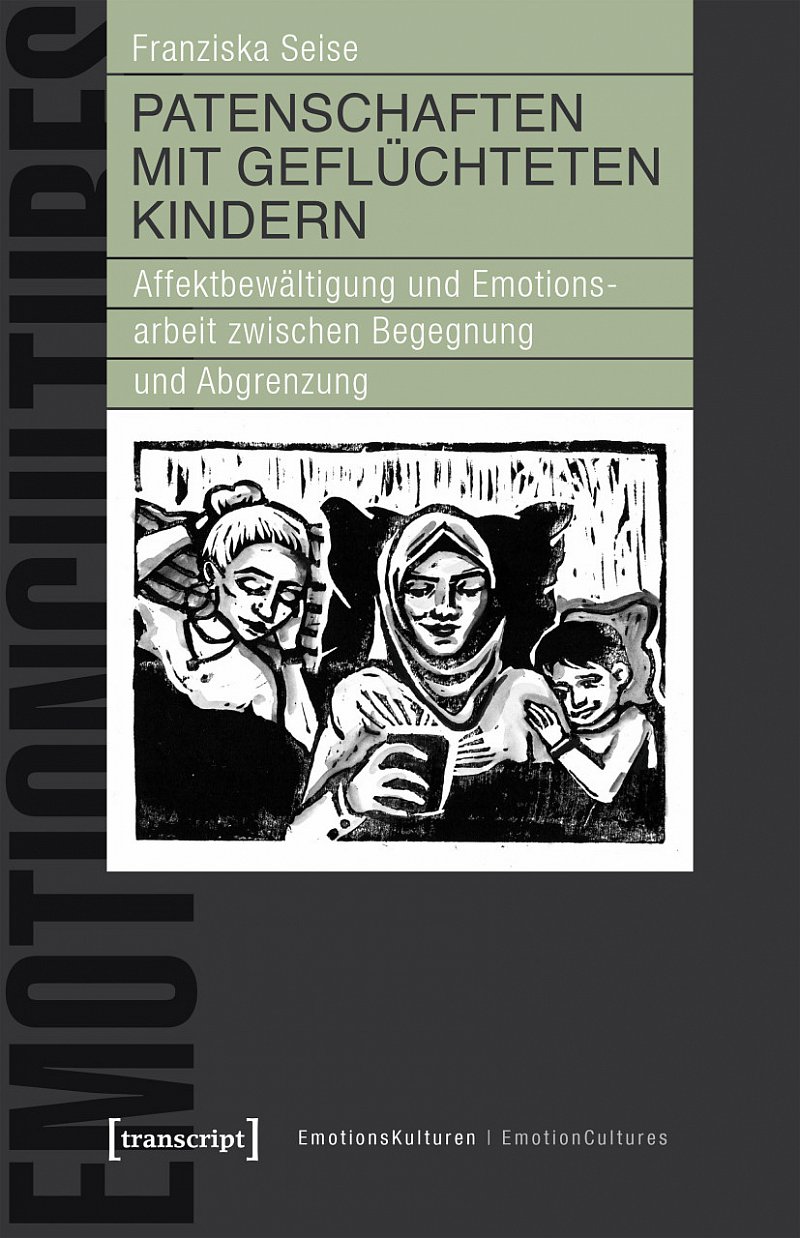
Franziska Seise Publikation
Neue Publikation in der Reihe EmotionsKulturen / EmotionCultures
In der von Prof. Dr. Anita von Poser mitherausgegebenen Buchreihe EmotionsKulturen/EmotionCultures ist eine neue Publikation erschienen. Wir gratulieren Dr. Franziska Seise, die bis vor kurzem wissenschaftliche Mitarbeiterin bei uns war, sehr herzlich zur Veröffentlichung ihrer Monographie mit dem Titel:
Patenschaften mit geflüchteten Kindern: Affektbewältigung und Emotionsarbeit zwischen Begegnung und Abgrenzung
Zum Inhalt: Wie können sich Menschen in einer zunehmend diversen und stratifizierten Gesellschaft begegnen? Franziska Seise adressiert aus einer Perspektive der Psychologischen Anthropologie die Herausforderungen und (Un-)Möglichkeiten in Patenschaften mit geflüchteten Kindern. Dabei verknüpft sie das ambivalente gesellschaftliche Klima eines restriktiven Migrationsregimes mit der prekären Engagementlandschaft Deutschlands sowie den Anstrengungen, die sich entlang divergierender Erwartungen, Erziehungsideale und Verhaltensmaximen entfalten können. Als ungewöhnliche Beziehungskonstellation erfordern Patenschaften eine besondere Form der Affektbewältigung, die kontinuierlich der gemeinsamen Reflexion bedarf.
Siehe OpenAccess unter
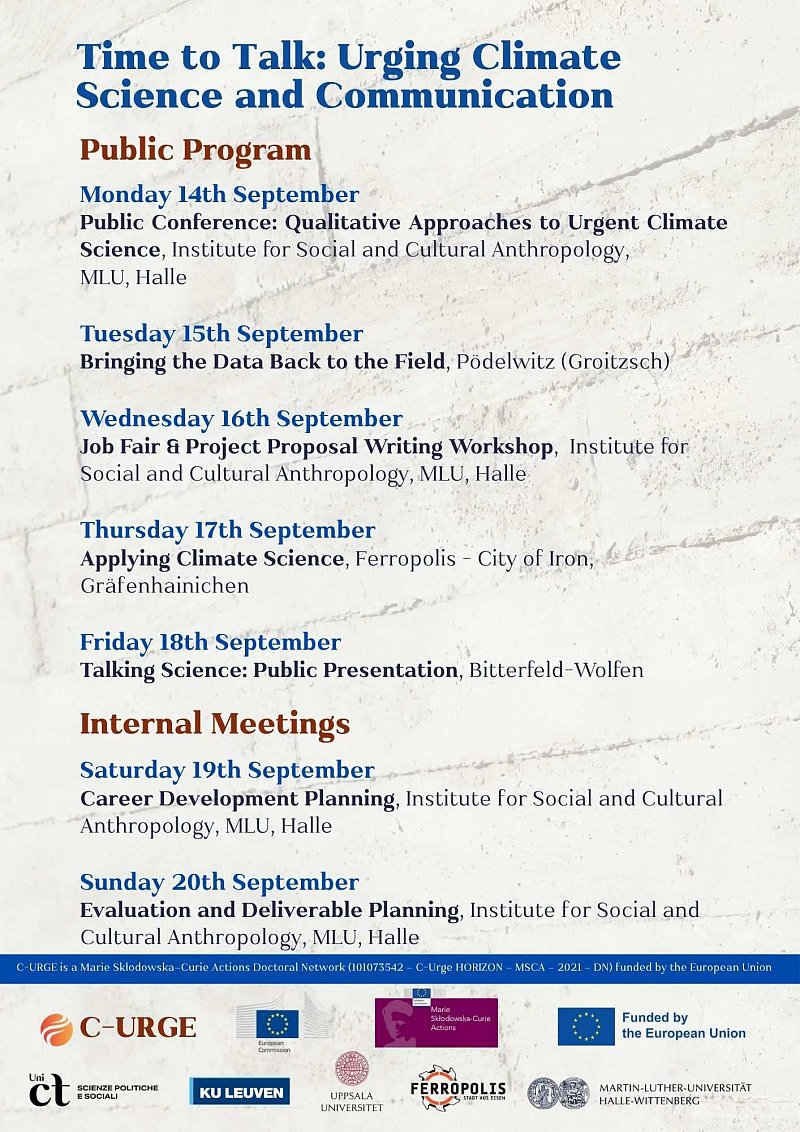
C-Urge Final Event
From 14th to 20th September 2026, the C-Urge Doctoral Network will gather in Halle (Saale) for its Final Event: “Time to Talk: Urging Climate Science and Communication.” The week-long programme will bring together researchers, experts and project partners to reflect on the project’s results and its potential future applications. It will also provide an opportunity to explore how qualitative research can contribute to understanding and communicating climate urgency across different fields and scales.
Students, colleagues and interested members of the public are warmly invited to join the opening conference, “Qualitative Approaches to Urgent Climate Science,” on Monday, 14th September, at the Institute for Social and Cultural Anthropology, MLU Halle-Wittenberg. For registration please contact us at c-urge@ethnologie.uni-halle.de.
Visit the C-Urge website for more information about the project and the event.

Internationale Konferenz in Đà Lạt, Vietnam
Internationale Konferenz an der Universität in Đà Lạt, Vietnam, mit Beteiligung von Kolleg*innen der MLU Halle: „Global Perspectives on the Anthropology of Vietnam“ (17.-19.06.2026)
Die von den Universitäten Đà Lạt, Bielefeld, Yale und Kopenhagen organisierte und von der Wenner Gren Foundation finanzierte Konferenz „Global Perspectives on the Anthropology of Vietnam“ findet vom 17. bis 19. Juni 2026 an der Universität in Đà Lạt, Vietnam, statt. Die Konferenz bringt internationale Anthropolog*innen zusammen, die sich u.a. mit Fragen von Wissensproduktion, Ökologie und gelebten Umwelten, globalen Lebenswelten und kulturellen Begegnungen sowie ökonomischen Transformationen auseinandersetzen. Anita von Poser, Edda Willamowski und Max Müller vom Seminar für Ethnologie nehmen teil und berichten aus ihren Forschungen in vietnamesisch-deutschen Lebenskontexten.
Now online: Our Public Anthropologies Website

Public Anthropologies Website
Public Anthropologies is our new platform where we share projects and perspectives from the Institute for Social and Cultural Anthropology at Martin Luther University Halle-Wittenberg.

Das Seminar für Ethnologie trauert um Thomas Hauschild
Uns erreichte die traurige Nachricht, dass unser Kollege Professor emeritus Thomas Hauschild am 05.05.2026 verstorben ist.
Thomas Hauschild (1955 in Berlin geboren) studierte Völkerkunde, Volkskunde und Religionswissenschaft an der Universität Hamburg und wurde dort 1979 auch promoviert. Nach seiner Habilitation im Jahr 1990 an der Universität zu Köln wurde er 1992 bereits mit 37 Jahren Professor für Ethnologie an der Eberhard Karls Universität Tübingen. Von 2008 bis 2016 hatte er eine Professur am Seminar für Ethnologie der Martin-Luther-Universität Halle-Wittenberg inne.
Seine Arbeiten über Religion, Ritual, Magie und politische Symbolik machten ihn weit über die Grenzen seines Fachs hinaus bekannt. Besonders seine Forschungen in Süditalien führten zu seinem vielbeachteten Werk „Macht und Magie in Italien“ (2002), in dem er zeigte, wie eng Glauben, soziale Ordnung und politische Macht miteinander verwoben sind. Ebenfalls leistete Thomas Hauschild wichtige Beiträge zur kritischen Auseinandersetzung mit den ideologischen Verstrickungen des Fachs in Zeiten des Nationalsozialismus. Mit seinem breiten akademischen Horizont und einer großen Neugierde verband er nicht nur ethnologische Fächertraditionen in Deutschland miteinander, sondern auch weitere kulturwissenschaftliche Perspektiven und prägte so breite kultur- und sozialwissenschaftliche Debatten und Diskurse mit.
Thomas Hauschild war ein begeisternder Mentor und Dozent. Noch im November des vergangenen Jahres stattete er dem Seminar für Ethnologie und der Stadt Halle einen Besuch ab. Wer ihm begegnete, erinnert sich an seine charismatische Präsenz, seinen Humor und seine Fähigkeit, komplizierte Zusammenhänge in lebendige Geschichten zu verwandeln. Student*innen, Kolleg*innen und Leser*innen verlieren mit ihm einen leidenschaftlichen Lehrer, brillanten Erzähler und unerschrockenen Denker.

© Max-Planck-Institut für ethnologische Forschung/Philipp Stumpf
Spring School 2026 der IMPRS „Global Multiplicity“ in Halle
Vom 23. bis 27. März 2026 fand am Seminar für Ethnologie der Martin-Luther-Universität Halle-Wittenberg die Spring School der International Max Planck Research School (IMPRS) „Global Multiplicity" statt – ein jährliches Format, das Doktorand*innen und Betreuende der Graduiertenschule zusammenbringt, um gemeinsam zu forschen, zu diskutieren und die eigene wissenschaftliche Praxis weiterzuentwickeln. In diesem Jahr wurde die Spring School von Asta Vonderau, Anita von Poser, Olaf Zenker (Ethnologie) und Dirk Hanschel (Jura) gemeinsam ausgerichtet.
Die internationalen Teilnehmenden der IMPRS kommen neben der MLU von der Universität Leipzig, dem Max-Planck-Institut für ethnologische Forschung und der Friedrich-Alexander-Universität Erlangen und forschen zu sehr unterschiedlichen gesellschaftlichen Themen – von politischer Polarisierung in Ostdeutschland über städtische Infrastruktur in Rumänien und Indien bis hin zu Migrationsrecht in Europa. Diese thematische Breite ist kein Zufall: Die IMPRS bringt bewusst Forschende zusammen, die in erschiedenen Kontexten arbeiten, um gesellschaftliche Prozesse nicht isoliert, sondern in ihren globalen Zusammenhängen zu verstehen.
Ein wichtiger Programmpunkt war der interdisziplinäre Austausch, insbesondere zwischen Ethnologie und Rechtswissenschaft, Ethnologie und Soziologie sowie Ethnologie und Geschichtswissenschaft. In gemeinsamen Sitzungen wurden unterschiedliche Zugänge zu Themen wie Normen, Institutionen und gesellschaftlichem Wandel diskutiert. Dabei ging es nicht darum, die Perspektiven einander anzugleichen, sondern darum, aus ihren Unterschieden neue Fragen zu entwickeln.
Den Eröffnungsvortrag hielt Arzoo Osanloo (Princeton University) zum Thema Wirtschaftssanktionen – einem Thema, das die Verbindung globaler politischer Entscheidungen mit lokalen Lebensrealitäten eindringlich vor Augen führt. Am Beispiel Iran zeigte sie, wie Sanktionen langfristige soziale und materielle Bedingungen prägen.
Neben inhaltlichen Impulsen lag ein Schwerpunkt auf der Weiterentwicklung akademischer Fähigkeiten. Workshops zu Publikationsstrategien, Datenanalyse und Drittmittelanträgen gaben den Teilnehmenden Gelegenheit, konkrete Herausforderungen ihrer Arbeit als Wissenschaftler*innen zu bewältigen und voneinander zu lernen. Ergänzt wurden diese durch Austauschformate, in denen Doktorand*innen ihre jeweiligen Projekte vorstellen und gezielt Feedback einholen konnten.
Die Spring School bot damit vor allem einen Rahmen, um die eigene wissenschaftliche Praxis und Forschung im Gespräch mit anderen weiterzuentwickeln. Forschung zu Gesellschaften in unterschiedlichen Teilen der Welt liefert dabei nicht nur Wissen über diese Gesellschaften selbst – sie schärft den Blick für grundlegende Fragen, die weit über den jeweiligen Kontext hinausweisen.

BodiesHealthMedicine Oceania
Internationaler Workshop in Paris mit Beteiligung von Kolleg*innen der MLU Halle: Bodies, Health, and Medicine in Oceania | Corps, Santé et Médecine en Océanie (22.-23.04.2026)
Gemeinsam mit Kolleg*innen aus Ozeanien und Frankreich richtet Prof. Dr. Anita von Poser den internationalen Workshop mit dem Titel Bodies, Health, and Medicine in Oceania | Corps, Santé et Médecine en Océanie aus, der vom 22. bis 23. April 2026 am Condorcet Campus in Paris stattfindet. Der Workshop, der Beiträge von Forschenden (aus) der Region vereint, verfolgt u.a. das Ziel, plurale Wissensbestände und -formen in Bezug auf das spannungsvolle Verhältnis von Körpern und spezifischen Vorstellungen von Gesundheit und Medizin ethnographisch und sozialtheoretisch zusammenzuführen, zu diskutieren und so gemeinsam sichtbarer zu machen.

Zenker_Wozu_Ethnologie?
New short film: “Wozu Ethnologie – Why Anthropology Matters”
What is anthropology for – especially at a time when diversity is increasingly under pressure? The series “Wozu Ethnologie – Why Anthropology Matters” brings together concise contributions from anthropologists showing why the discipline is more than a lens on other societies and cultures.
In his contribution, Olaf Zenker argues that anthropology, as Public Anthropology, must be uncomfortable: it confronts us with the resistance of the real, makes alternative normative orders visible – and functions as an archive of political alternatives. The focus is on questions of law, statehood, and postcolonial inequalities – and on the possibility of imagining social orders differently. here:

AMO LECTURE No. 12
New publication: AMO LECTURE No. 12 by Michael Rothberg
The twelfth volume of the ANTON WILHELM AMO LECTURES has been published: From Memory Wars to Memory Work. The booklet is based on Michael Rothberg’s lecture delivered in Halle in 2025.
Against the backdrop of recent contentious debates on memory culture in Germany, Rothberg turns to Pınar Öğrenci’s film Aşît [The Avalanche]. By tracing entangled histories of violence and remembrance, the lecture highlights relational modes of engaging the past — both in Germany and beyond.
The volume is now available in print (see photo) and in open access.

Zenker_Common_Concerns_Podcast1
Death of Liberalism: The Exhaustion of Democracy - a Common Concerns Podcast
In this episode of the Common Concerns Podcast Series of the Max Planck Institute for Social Anthropology, Olaf Zenker and Biao Xiang explore one of the most urgent questions of our time: What happens when people lose faith in liberalism — not because they reject its ideals, but because they feel it has failed them?
This postliberal fatigue is a deep, relational exhaustion with systems that promised justice, equality, and democracy, but delivered only delay, disillusionment, and fragmentation.
Reihe EmotionsKulturen / EmotionCultures
Neue Publikation in der Reihe EmotionsKulturen / EmotionCultures
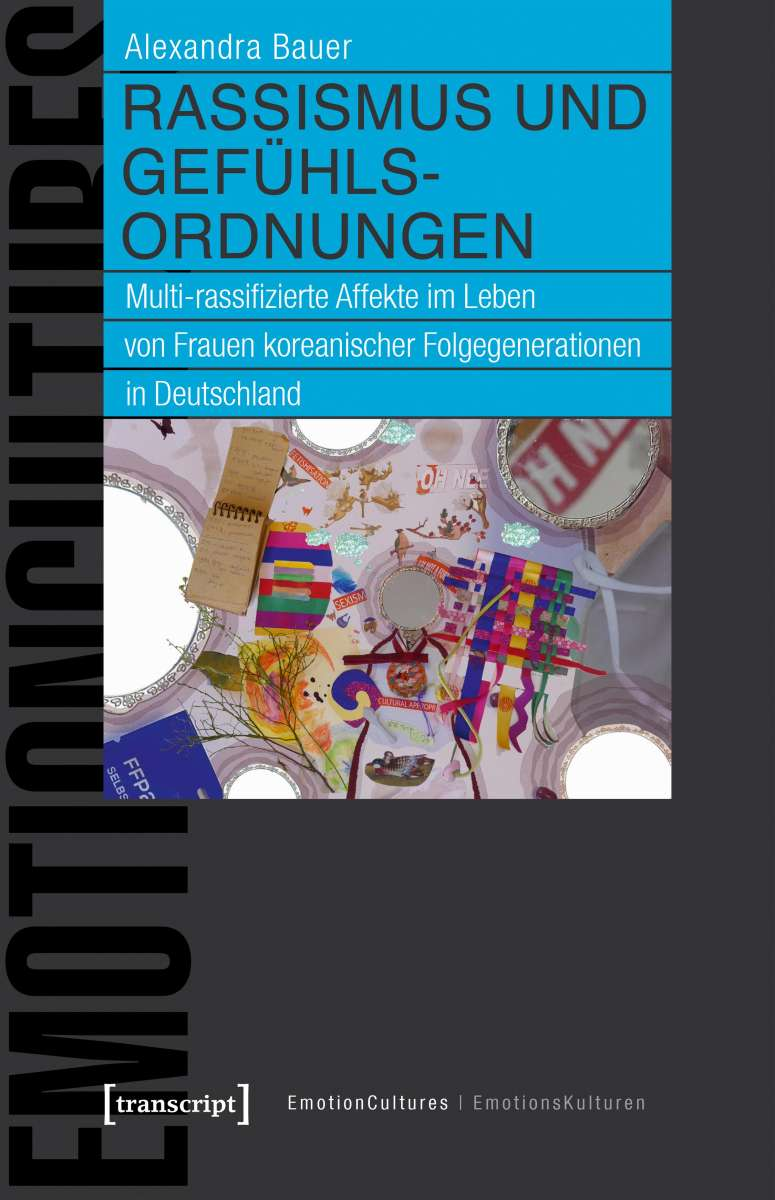
In der von Prof. Dr. Anita von Poser mitherausgegebenen Buchreihe EmotionsKulturen/EmotionCultures ist eine neue Publikation erschienen:
Alexandra Bauer
Rassismus und Gefühlsordnungen
Multi-rassifizierte Affekte im Leben von Frauen koreanischer Folgegenerationen in Deutschland
Zum Inhalt: „Hast du so etwas schon mal gesehen – so eine Mischung?!“ Die Frauen, die in dieser sozial- und kulturanthropologischen Studie zu Wort kommen, rufen mit einem koreanischen und einem nicht-koreanischen Elternteil zahlreiche Gefühle – von Faszination bis Verachtung – in ihrer Umwelt hervor. Welche Affekte löst dies bei den so multi-rassifizierten Frauen aus? Wessen Gefühle gelten in rassistischen Gesellschaften als legitim? Durch eine affekttheoretische Rassismuskritik offenbart Alexandra Bauer diffus erspürte und daher äußerst effektive Re-Produktionsformen von »Rasse« im Alltag. Thematisiert wird das Ringen der Frauen mit hiesigen Gefühlsordnungen zwischen affektivem Orientierungsverlust, dem Hinterfragen von Herrschaftsverhältnissen bis hin zu Heilungsprozessen. hier:
Prof. Olaf Zenker-Reckoning with Law in Excess_2025
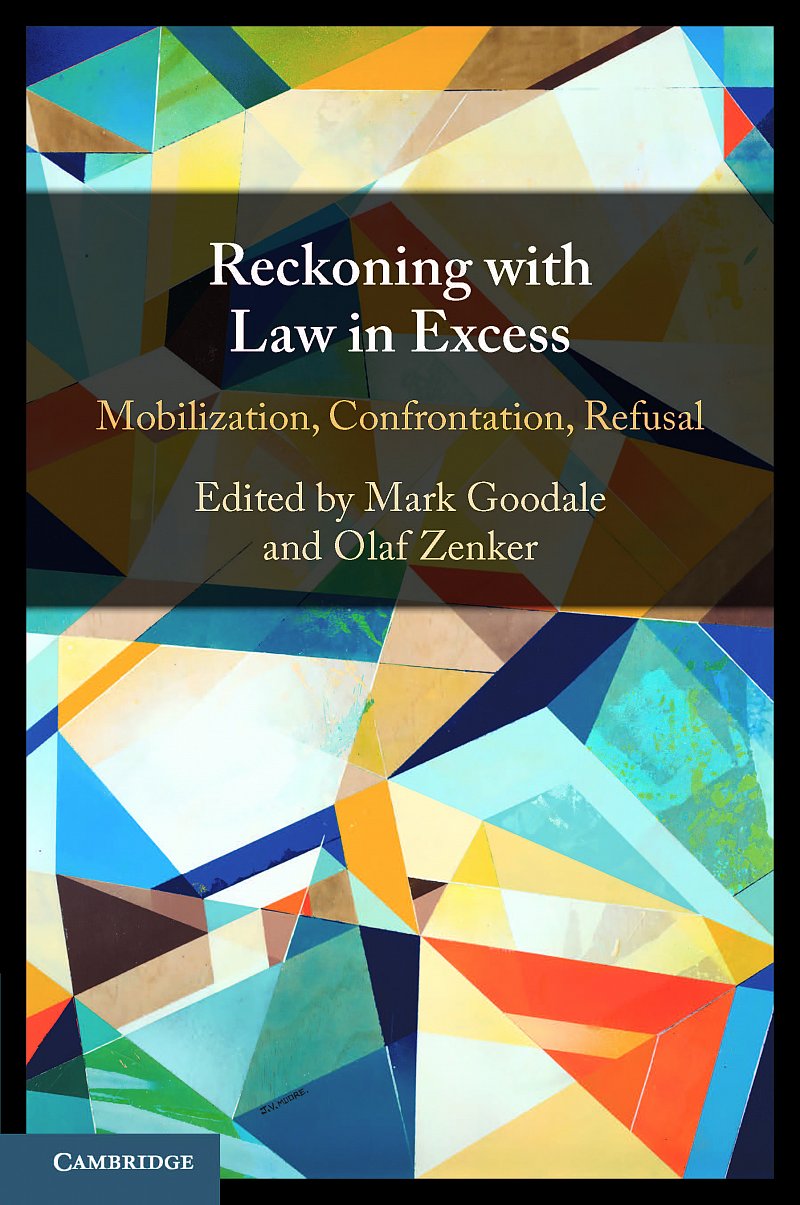
New Open Access Publication on the Rise & Fall of Law as a Modality of Social Transformation
The volume Reckoning with Law in Excess: Mobilization, Confrontation, Refusal, co-edited by Mark Goodale and Olaf Zenker, was recently published in open access and in print. It offers a new approach to understanding the relationship between law and social and political transformation in a changing and uncertain world. The book's authors examine a wide range of case studies in which social movements pursue justice and social change within, against, and beyond the law. The interdisciplinary research at the heart of the volume reveals patterns in the ways in which law and legality are invested with heightened importance during certain historical moments, a process of over-loading that most often gives way to disenchantment with the ultimate limits of law. In reflecting critically and synthetically on these complicated dialectics of reckoning with law, the book shines a light on one of the most important, and consequential, dynamics in an era of climate crisis, rising populism across the political spectrum, and social conflict. Besides contributions by the editors, the volume features chapters by Lynette Chua, Julia Eckert, Kiri Santer, Matthew Canfield, Arzoo Osanloo, Nitzan Shoshan, Penelope Anthias, Agathe Mora, Rachel Sieder and Kamari Clarke. Check out the freely available chapters here
Lehrfoschungsprojekt POLY! Endpräsentation
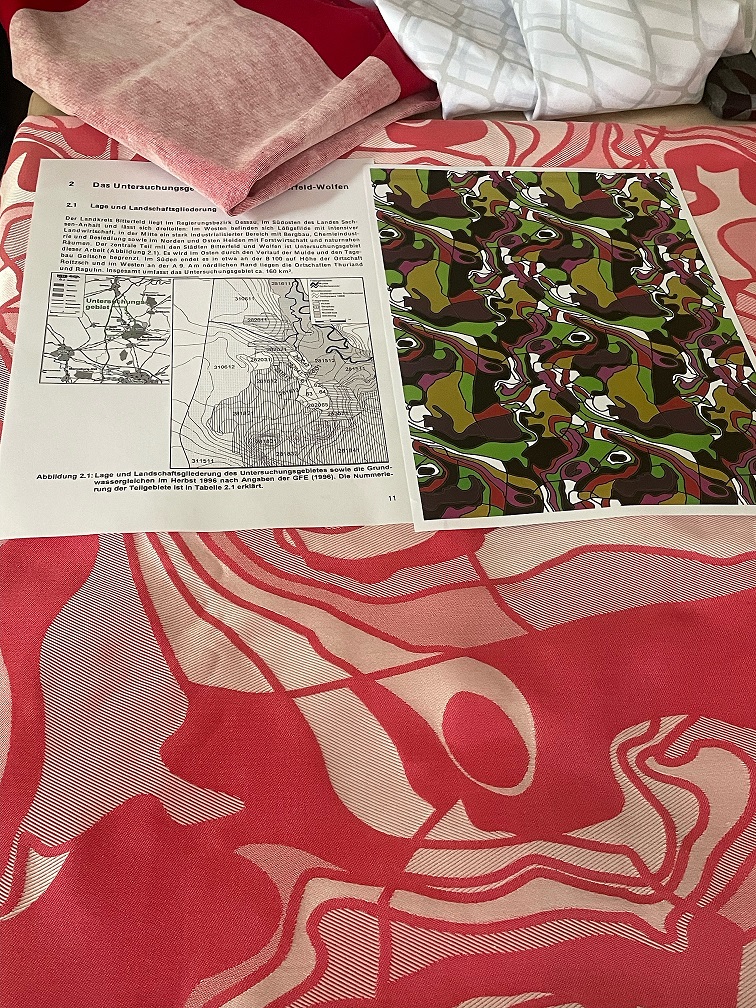
POLY! ist eine Kollaboration zwischen dem Seminar für Ethnologie an der MLU und dem Studiengang Textildesign an der BURG im Rahmen des MA-Seminars "Cheoethnographie: Textile und textliche Außeinandersetzungen mit der Chemiefaser in Wolfen“. Die textil-textlichen Projektergebnisse werden präsentiert am:
Dienstag, 8. JULI 2025 um 14 Uhr
Campus Design der Burg Giebichenstein
Neuwerk 7
Lehrklassengebäude
Raum 105 im Erdgeschoss
Lehrfoschungsprojekt POLY!
Just Out: The New Open Access Reader “Public Anthropology”
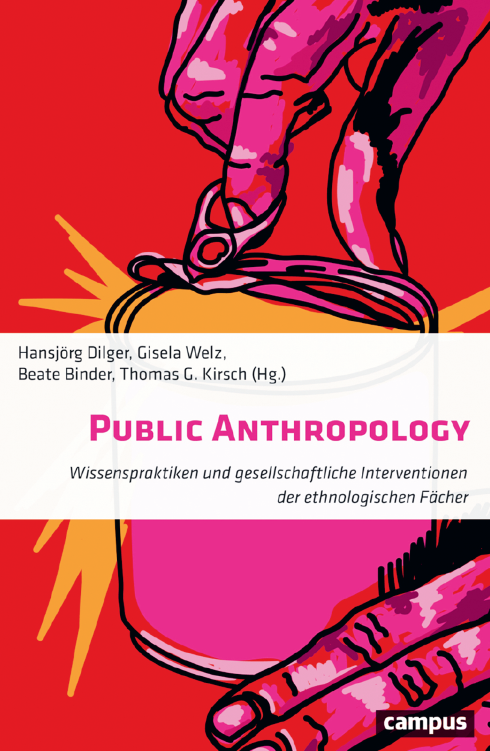
Today, anthropologists are expected to take a position on current social problems and debates. This freely available German-medium reader offers, for the first time, an overview of the diverse practices, formats, and approaches with which the project of "public anthropology" is being implemented at anthropological institutes in Germany today. In five sections – Publics, Collaborations, Positionings, Transformations, and Mediation – authors at various career stages discuss practical examples of public anthropological work. They highlight both the academic and societal benefits of public anthropology and the associated challenges.
Our institute also contributed two chapters: „Public Anthropology im Spätkapitalismus“ (Janine Hauer & Asta Vonderau) and „Strategische Netzwerke inmitten konfligierender Positionalitäten: Public Anthropology in der südafrikanischen Landreform“ (Olaf Zenker).
Click here to get the reader for free
Forschungsbasierter Masterstudiengang Ethnologie / Social and Cultural Anthropology

MA Social and Cultural Anthropology Halle
Der zweisprachige Masterstudiengang MA Ethnologie 120 beinhaltet neben dem sozial- und kulturtheoretisch fundierten Studium auch die angeleitete Konzeption und Durchführung eines individuellen empirischen Forschungsprojekts weltweit. Beispiele studentischer Masterforschungsfelder gibt es hier.
Alle weiteren Infos finden sich hier. Allgemeine Informationen zur Bewerbung während der Corona-Epidemie finden sich hier.